Buttery Croissant Recipes At Home
Highlighted under: Cozy Baking Recipes
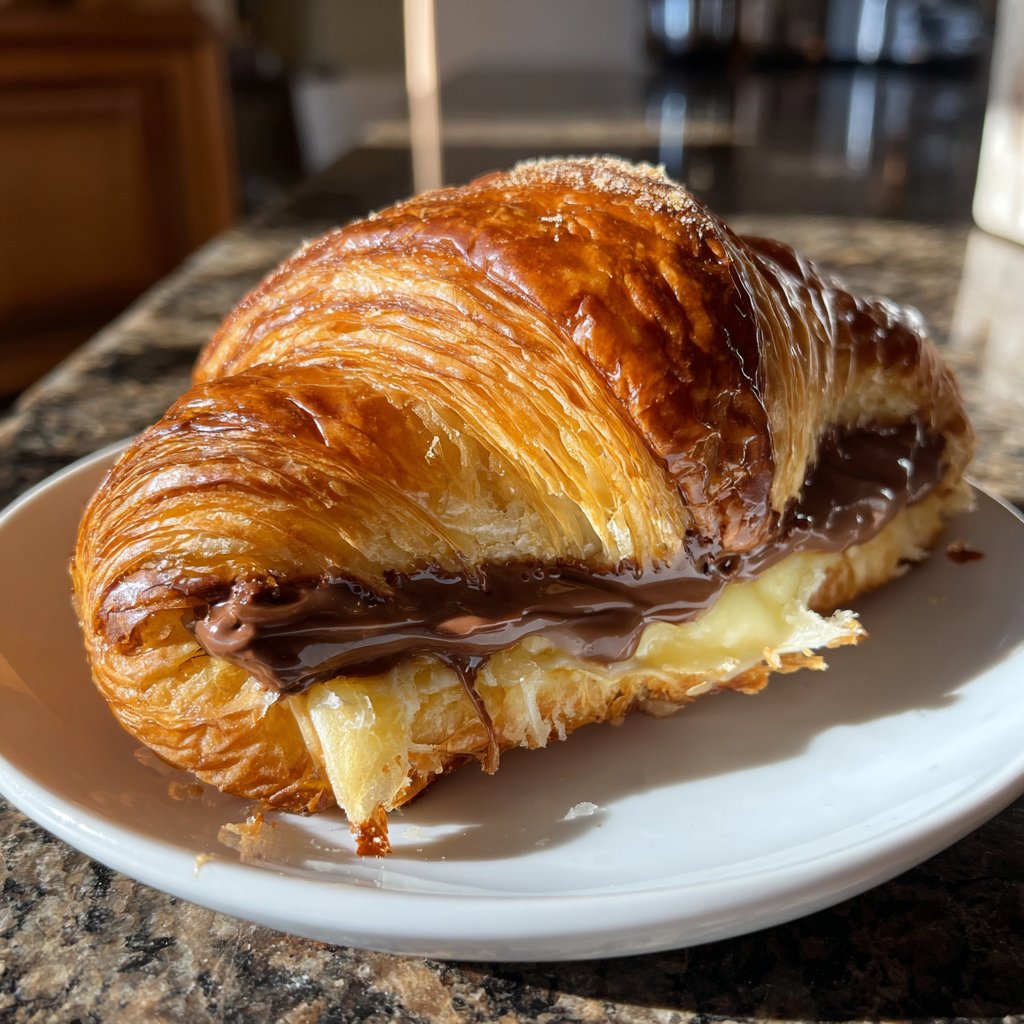
I absolutely love baking buttery croissants at home! There's something incredibly rewarding about creating these flaky, golden pastries from scratch. Every time I make them, I'm reminded of how a little patience and the right techniques can yield such delightful results. The aroma that fills my kitchen while they bake is simply irresistible. With layers of buttery goodness and a crispy crust, these croissants are perfect for breakfast or an indulgent afternoon treat. Trust me, once you try making them, you'll never want to go back to store-bought croissants!
When I first attempted making croissants at home, I was a bit intimidated by the process, but it turned out to be a genuine adventure! The key to success is to ensure your butter is cold and properly incorporated to create those beautiful layers. I recommend using high-quality butter, as its flavor truly shines in the final product.
Through experimentation, I discovered that letting the dough rest in the fridge after each fold makes it much easier to work with. Each fold builds that perfect flaky texture that all croissant lovers crave. It's a delicious labor of love that truly pays off with every buttery bite!
Why You'll Love This Recipe
- Flaky layers that melt in your mouth
- Buttery aroma that fills your kitchen
- Customizable with sweet or savory fillings
Understanding Lamination
Laminating the dough is the key to achieving those beloved flaky layers in your croissants. This process involves creating a butter block and folding it into the dough. Ensure the butter is cold but pliable; if it's too hard, it won't incorporate well, leading to layers that are too tough. On the other hand, if it's too soft, it can seep into the dough, preventing the formation of distinct layers. Aim for a temperature around 60°F (15°C) for optimal results during lamination.
As you roll and fold the dough, remember to keep your work surface and rolling pin lightly floured to avoid sticking, which can disrupt the layers. Each time you fold the dough, you’re essentially layering butter between layers of dough, which is what creates those trademark flaky edges. I recommend using a digital thermometer to ensure the butter remains at the right temperature throughout the process.
Egg Wash Tips
Using an egg wash is the final touch that will give your croissants that beautiful golden-brown color. For the best results, beat your egg thoroughly before brushing it onto the croissants to ensure even coverage. This step not only adds color but also enhances the flavor. Make sure to brush the egg wash lightly over the entire surface, avoiding the edges where it can burn easily, especially during high-temperature baking.
For an extra touch, you can add a sprinkle of coarse sea salt or finely grated cheese on top of the egg wash before baking. The salt adds an interesting flavor contrast, while cheese can create an appealing crust. Remember to keep an eye on your croissants as they bake; once they start to brown, rotate the baking sheet to ensure even cooking.
Ingredients
Gather these ingredients to start your croissant journey!
Dough Ingredients
- 4 cups all-purpose flour
- 1/4 cup granulated sugar
- 2 teaspoons salt
- 1 tablespoon instant yeast
- 1 1/4 cups whole milk, warm
- 1/2 cup unsalted butter, softened
Butter Layering
- 1 1/2 cups unsalted butter, cold (for laminating)
Egg Wash
- 1 egg, beaten (for brushing)
Make sure to have these set before you start your baking adventure!
Instructions
Follow these steps to create perfectly flaky croissants!
Make the Dough
In a large bowl, mix together the flour, sugar, salt, and instant yeast. Slowly add the warm milk and softened butter, stirring until the dough comes together. Knead for about 5-10 minutes until smooth.
First Rise
Cover the dough with a damp cloth and let it rise in a warm place for about 1 hour or until doubled in size.
Prepare the Butter Block
While the dough is rising, take the cold butter and place it between two sheets of parchment paper. Using a rolling pin, pound it into a rectangle shape about 1/2 inch thick.
Laminate the Dough
Once the dough has risen, roll it out into a large rectangle. Place the butter block in the center and fold the dough over, sealing the edges. Roll out and fold the dough into thirds, then refrigerate for 30 minutes. Repeat this process 3 times.
Shape the Croissants
Roll the dough into a large rectangle, and cut it into triangles. Starting from the base of each triangle, roll it towards the tip to shape your croissants. Place them on a baking sheet lined with parchment paper.
Final Rise
Cover the croissants and let them rise for about 1 hour until they double in size.
Bake
Preheat the oven to 400°F (200°C). Brush the croissants with the beaten egg and bake for 20-25 minutes until golden brown.
Enjoy your homemade buttery croissants!
Pro Tips
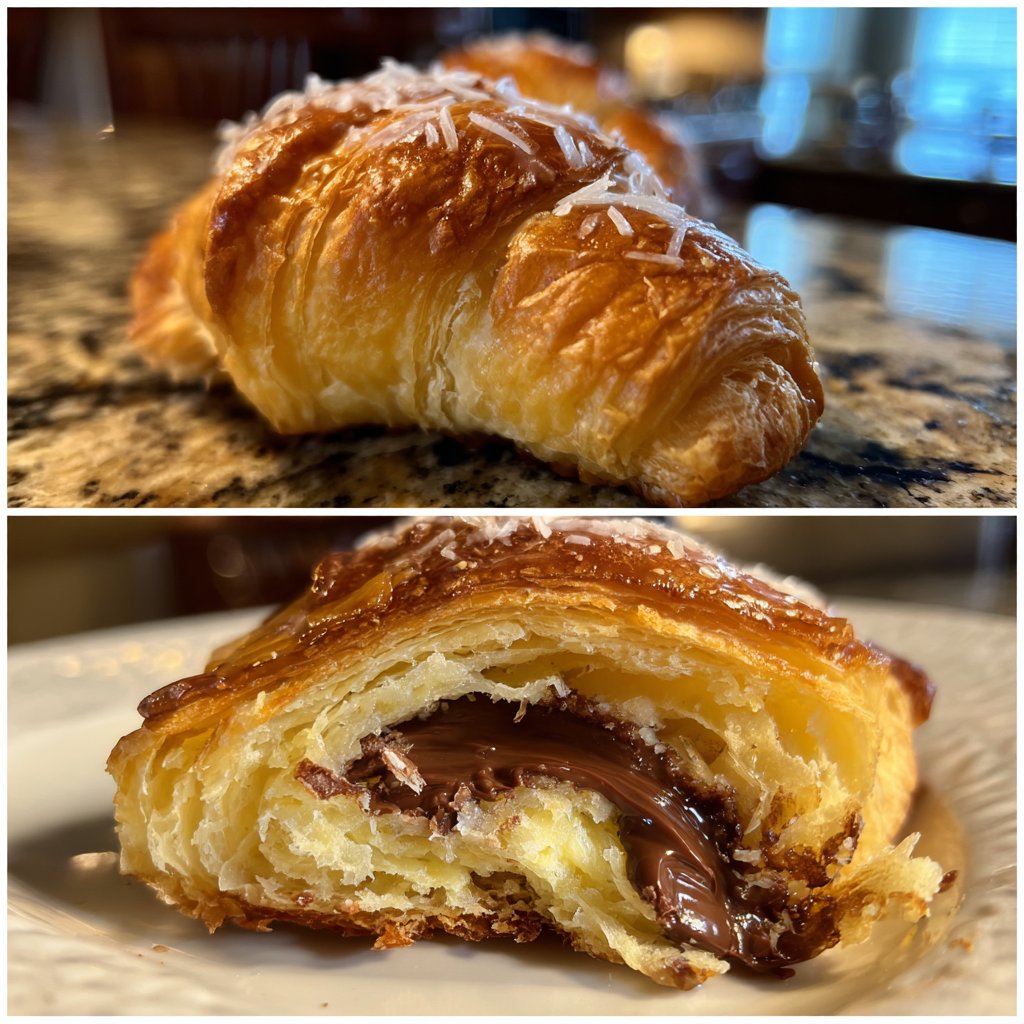
- Add fillings like almond paste or chocolate chips for a delicious twist on classic croissants.
Storing and Freezing
Once your croissants are baked and cooled, you can store them in an airtight container at room temperature for up to two days. However, for longer storage, I recommend freezing them. To do this, ensure the croissants are completely cooled before wrapping them tightly in plastic wrap and then placing them in a freezer bag. They can be frozen for up to 2 months without losing too much of their flaky texture.
When you're ready to enjoy your frozen croissants, simply preheat your oven to 375°F (190°C) and bake them from frozen for about 15-20 minutes. This will help restore their crispiness. If you have leftover dough, you can shape and freeze it before the final rise and bake them fresh later, which is a fantastic time-saver.
Filling Variations
Croissants are incredibly versatile and can be filled with a variety of sweet or savory ingredients. For sweet options, consider chocolate ganache, almond paste, or fruit preserves. For savory fillings, options like ham and cheese or a spinach and feta mixture work beautifully. Just make sure that whatever filling you choose doesn't add too much moisture to the dough, as this can lead to soggy croissants.
When adding fillings, place a small amount at the base of the triangle before rolling it up, and ensure it’s not overflowing to maintain the structural integrity of the croissant. Experimenting with different fillings is part of the fun, so don’t hesitate to try your favorites!
Questions About Recipes
→ Can I use whole wheat flour?
Yes, you can substitute up to half with whole wheat flour, but it may affect the texture.
→ How do I store leftover croissants?
Store them in an airtight container at room temperature for up to 2 days, or freeze them for longer.
→ Can I make the dough ahead of time?
Absolutely! You can refrigerate the dough after the first rise and use it within 24 hours.
→ What temperature should I bake croissants at?
Bake croissants at 400°F (200°C) for optimal flakiness and browning.
Buttery Croissant Recipes At Home
Created by: Rebecca Mills
Recipe Type: Cozy Baking Recipes
Skill Level: Intermediate
Final Quantity: 12 croissants
What You'll Need
Dough Ingredients
- 4 cups all-purpose flour
- 1/4 cup granulated sugar
- 2 teaspoons salt
- 1 tablespoon instant yeast
- 1 1/4 cups whole milk, warm
- 1/2 cup unsalted butter, softened
Butter Layering
- 1 1/2 cups unsalted butter, cold (for laminating)
Egg Wash
- 1 egg, beaten (for brushing)
How-To Steps
In a large bowl, mix together the flour, sugar, salt, and instant yeast. Slowly add the warm milk and softened butter, stirring until the dough comes together. Knead for about 5-10 minutes until smooth.
Cover the dough with a damp cloth and let it rise in a warm place for about 1 hour or until doubled in size.
While the dough is rising, take the cold butter and place it between two sheets of parchment paper. Using a rolling pin, pound it into a rectangle shape about 1/2 inch thick.
Once the dough has risen, roll it out into a large rectangle. Place the butter block in the center and fold the dough over, sealing the edges. Roll out and fold the dough into thirds, then refrigerate for 30 minutes. Repeat this process 3 times.
Roll the dough into a large rectangle, and cut it into triangles. Starting from the base of each triangle, roll it towards the tip to shape your croissants. Place them on a baking sheet lined with parchment paper.
Cover the croissants and let them rise for about 1 hour until they double in size.
Preheat the oven to 400°F (200°C). Brush the croissants with the beaten egg and bake for 20-25 minutes until golden brown.
Extra Tips
- Add fillings like almond paste or chocolate chips for a delicious twist on classic croissants.
Nutritional Breakdown (Per Serving)
- Calories: 240 kcal
- Total Fat: 16g
- Saturated Fat: 10g
- Cholesterol: 40mg
- Sodium: 180mg
- Total Carbohydrates: 26g
- Dietary Fiber: 1g
- Sugars: 1g
- Protein: 4g